
Flat Panel Designs That Evoke Depth

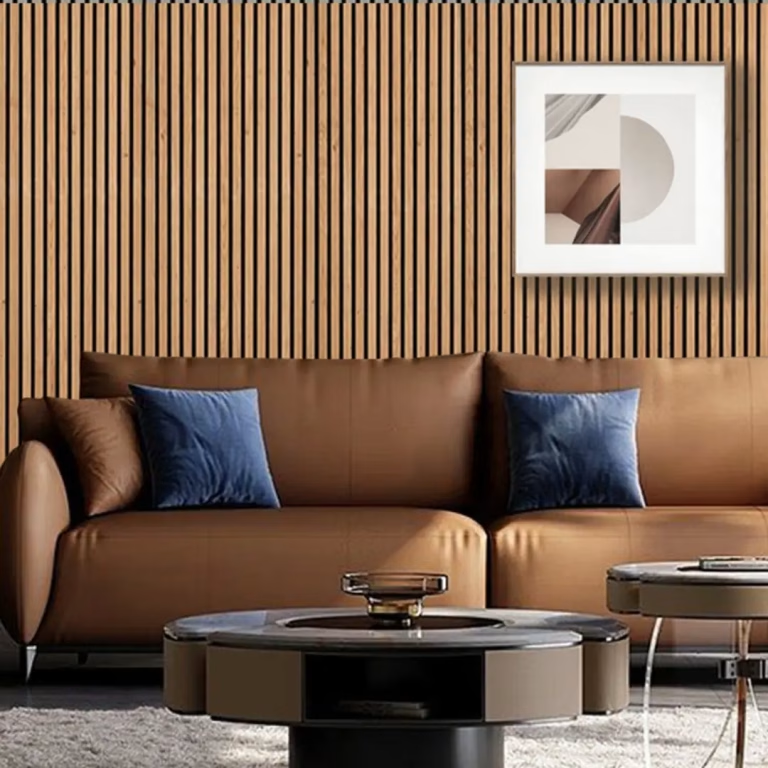
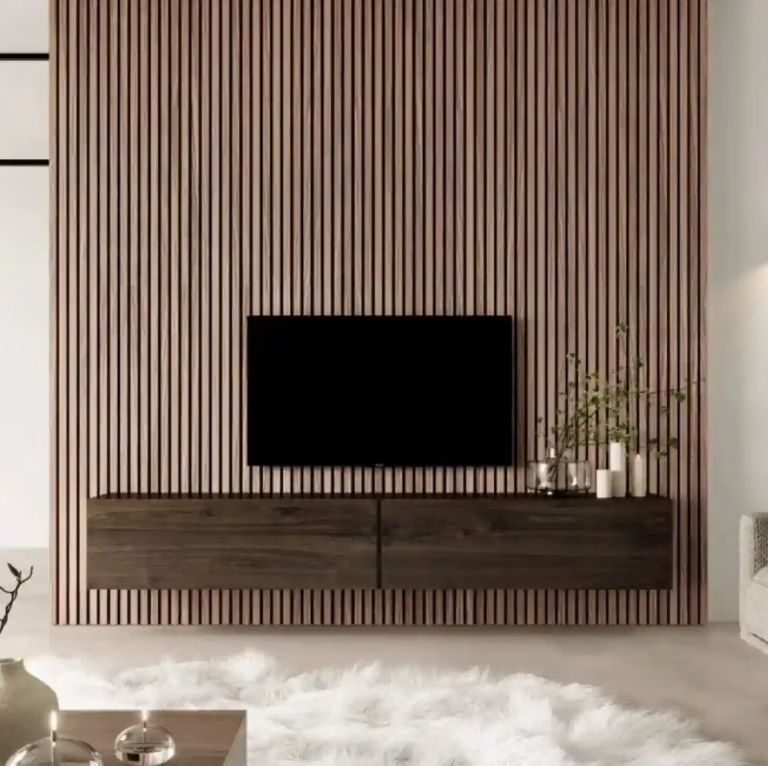
In formal dining environments that risk appearing too rigid, introducing reclaimed weathered textures can soften the atmosphere effectively. A flat panel style of wood slat panels or broad planks creates not only warmth but also significant visual depth. The multi-toned hues and flush cuts found in high-quality peel and stick wood collections generate a cohesive narrative that balances casual comfort with sophistication. When paired with modern art and curated decor, these decorative acoustic panels serve as a textured backdrop that elevates the room’s entropy without overwhelming it. The key lies in selecting a finish that mimics natural aging, providing a tactile experience that painted drywall simply cannot match.
Infusing Cozy Charm into Cool-Toned Interiors
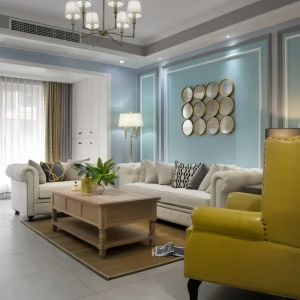
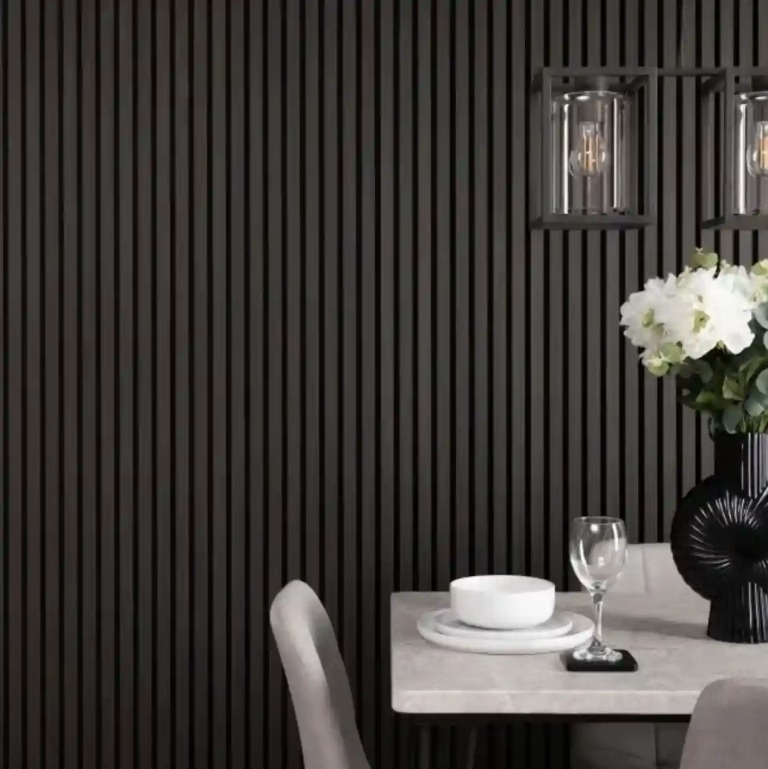
Cool color palettes often inspire tranquility, yet an overreliance on them can render a space feeling sterile or unwelcoming. The concept of hygge—that profound sense of coziness—is best achieved by strategically integrating warm textures. Acoustic wall panels made from wood with silver-gray streaks and chocolatey brown undertones offer a perfect counterbalance to cool gray walls. In entryways or vaulted foyers, installing these sound absorbing panels on the lower third of the wall introduces rustic charm while potentially improving the room’s acoustics. This approach demonstrates how wood acoustic panels can function dually as a thermal visualizer and a sound moderator, enveloping inhabitants in a comforting embrace.
Board and Batten Aesthetics with a Pastoral Twist

Transporting a bathroom to the French countryside no longer requires extensive renovation. Traditional board and batten styles typically involve vertical beadboards separated by wooden strips known as “battens” to hide seams. However, modern innovations in peel and stick wood panels allow for seamless installations where the flush cut eliminates the need for separate battens. By utilizing white-washed reclaimed styles, designers can achieve a cottage-core aesthetic that complements industrial fixtures and vintage accessories. This streamlined approach to soundproof wall panels reduces installation complexity while maintaining the pastoral charm associated with classic European farmhouses.
Color-Blocked Contrasts for Modern Statements
Deviation from the conventional pairing of wood-colored panels with white molding can yield striking results. A bold design strategy involves marrying specific wood tones, such as Hamptons-style light woods, with natural or contrasting moldings. This technique creates a “coastal-meets-rustic” vibe reminiscent of California bungalows. When executed with precision, these noise reduction panels become a focal point rather than a mere background element. The interplay between oak flooring, antique accents, and the textured wall surface highlights the versatility of wood wall panels in creating themed environments that feel both curated and effortless.
Smooth Surface Finishes for Mid-Century Modern Flair
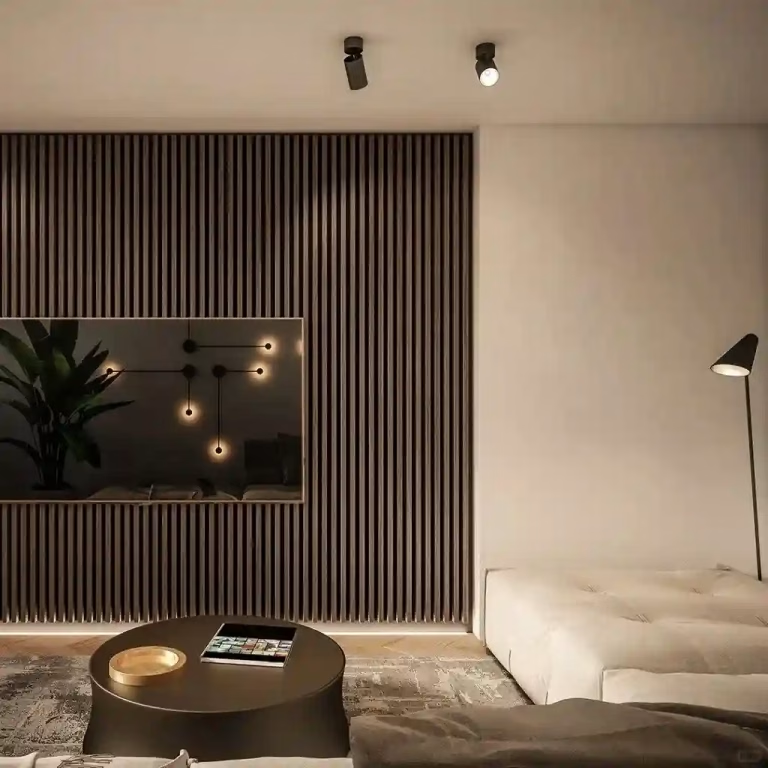
For spaces demanding a contemporary edge, smooth-faced wood slat panels with rich undertones, such as Vandyke or scarlet hues, offer a distinct mid-century modern appeal. Unlike textured reclaimed options, these sleek surfaces reflect light differently, adding a layer of polish to the room. Topped with clean metal trim, this style of office acoustic panels ensures a professional yet vibrant atmosphere. Furthermore, many modern soundproof panels come with optional fire-retardant treatments, ensuring safety without compromising on the fiery aesthetic. This application proves that acoustic ceiling panels and wall treatments can be both visually arresting and functionally robust.
Frequently Asked Questions
How do peel and stick wood panels compare to traditional nailed wainscoting in terms of durability?
A: Modern adhesive technologies used in high-quality peel and stick wood panels provide bond strength comparable to traditional nailing, especially on prepared surfaces. While nailed wainscoting is permanent, adhesive options offer remarkable durability against everyday wear and tear, with the added benefit of being easier to replace if damaged.
A: Modern adhesive technologies used in high-quality peel and stick wood panels provide bond strength comparable to traditional nailing, especially on prepared surfaces. While nailed wainscoting is permanent, adhesive options offer remarkable durability against everyday wear and tear, with the added benefit of being easier to replace if damaged.
Can these wood panels actually improve the sound quality of a room?
A: Yes, depending on the density and thickness of the material. Many wood acoustic panels and sound absorbing panels are designed specifically to dampen echo and reduce ambient noise. Even standard decorative panels add mass to the wall, which helps in breaking up sound waves compared to bare drywall.
A: Yes, depending on the density and thickness of the material. Many wood acoustic panels and sound absorbing panels are designed specifically to dampen echo and reduce ambient noise. Even standard decorative panels add mass to the wall, which helps in breaking up sound waves compared to bare drywall.
What is the best way to prepare a wall before installing acoustic wood slats?
A: The surface must be clean, dry, and free of dust or grease. For optimal adhesion of soundproof wall panels, it is recommended to wipe the area with a mild alcohol solution and allow it to dry completely. Uneven surfaces may require light sanding to ensure the peel and stick wood adheres flush without gaps.
A: The surface must be clean, dry, and free of dust or grease. For optimal adhesion of soundproof wall panels, it is recommended to wipe the area with a mild alcohol solution and allow it to dry completely. Uneven surfaces may require light sanding to ensure the peel and stick wood adheres flush without gaps.
Can I install these panels over existing tile or wallpaper?
A: Installing decorative acoustic panels directly over glossy tile is generally not recommended without priming, as the adhesive may not bond well. Wallpaper should ideally be removed to prevent the weight of the wood slat panels from pulling the paper off the wall. However, some heavy-duty adhesives can handle textured surfaces; always check the manufacturer’s guidelines.
A: Installing decorative acoustic panels directly over glossy tile is generally not recommended without priming, as the adhesive may not bond well. Wallpaper should ideally be removed to prevent the weight of the wood slat panels from pulling the paper off the wall. However, some heavy-duty adhesives can handle textured surfaces; always check the manufacturer’s guidelines.