
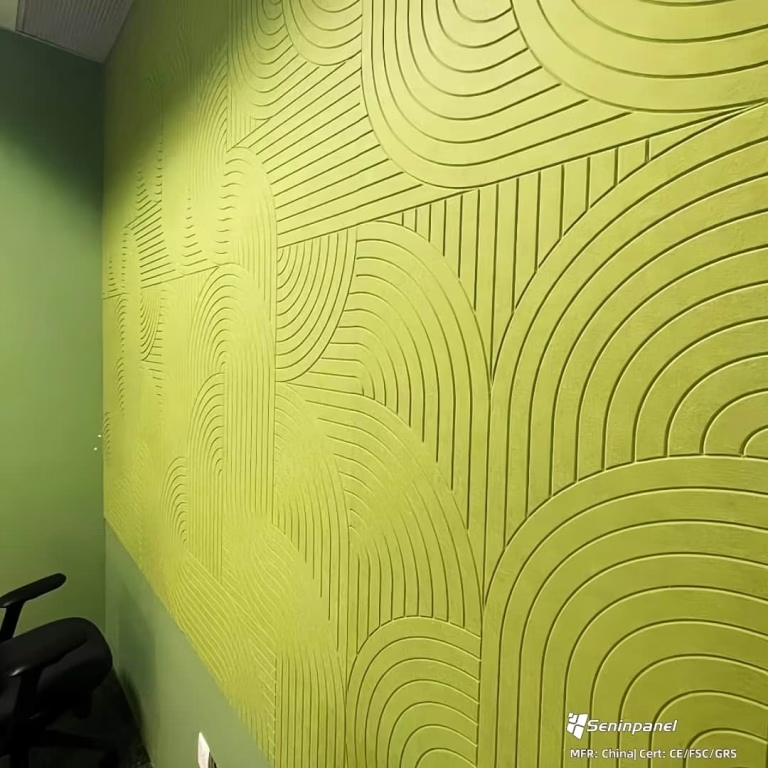


What Is an Acoustic Panel?
An acoustic panel is a specifically designed sound-absorbing item that helps reduce unwanted noise, lessen echoes, and control sound reflection in a space. Unlike traditional decorative wall treatments, acoustic panels actively improve a space’s acoustic performance—making conversations clearer, music richer, and work environments more focused.
These panels operate on core acoustic principles:
- Absorption: Capturing sound energy to prevent it from bouncing off hard surfaces.
- Diffusion: Scattering sound waves to create a more balanced acoustic field.
- Attenuation: Reducing the transmission of sound between areas.
Acoustic panels come in two primary orientations:
- Vertical panels (wall-mounted or freestanding)
- Horizontal panels (ceiling-mounted or suspended)
Both serve distinct roles depending on your space’s layout and acoustic challenges.
When Should You Use Acoustic Panels?
You might need acoustic panels if you experience any of the following:
- Excessive background chatter in open-plan offices
- Echo or “hollowness” in home theaters or recording studios
- Difficulty hearing during video calls or meetings
- High noise levels (60–80 dB) in collaborative spaces (ideal is 45–55 dB)
Popular Acoustic Panel Types for Every Need
Wood Acoustic Panels
Combine natural warmth with high performance. Ideal for lobbies, lounges, and high-end residential interiors. Their slatted or perforated designs offer both style and sound absorption.
PET Acoustic Panels
Made from recycled plastic bottles, these eco-friendly panels are lightweight, durable, and available in a wide range of colors and textures—perfect for modern offices and creative studios.
Drywall Acoustic Panels
Integrated directly into walls during construction or renovation, offering seamless, invisible sound control for conference rooms or private offices.
 Pro Tip: Don’t overlook acoustic wallpaper or freestanding screens for flexible, non-permanent solutions that double as design elements.
Where to Install Acoustic Panels for Maximum Impact
Strategic placement is key. Consider these factors:
- Room type (e.g., open office vs. recording booth)
- Primary activities (collaboration, concentration, entertainment)
- Existing materials (glass, concrete, and wood reflect sound; soft furnishings absorb it)
Best Practices by Space Size
 Small Rooms (Meeting Rooms, Home Offices, Podcast Booths)
Sound waves hit nearby walls first. Wall-mounted acoustic panels—especially near speaking zones or opposite hard surfaces—are most effective.
→ Try: Wood slat wall panels or PET felt panels at ear level.
Large or Open Spaces (Lobbies, Cafés, Co-working Areas)
Use a mix of ceiling baffles, freestanding partitions, and wall panels to break up sound paths and create acoustic “zones.”
→ Combine wood acoustic panels with perforated acoustic gypsum board for layered control.
Enhance Your Space: Function Meets Aesthetics
Today’s acoustic panels aren’t just functional—they’re design-forward. From rich oak veneers to bold colored PET felt, they serve as statement walls, TV backdrops, or artistic installations.
Quick Optimization Tips:
- Place panels at first reflection points (where sound bounces off walls to your ears).
- Cover 15–30% of wall surface for noticeable improvement in speech clarity.
- Pair with soft furnishings (rugs, curtains, upholstered furniture) for holistic acoustic treatment.
For complex layouts or critical listening environments (e.g., studios, auditoriums), consult an acoustic specialist for simulations and tailored recommendations.
Final Thoughts
Acoustic panels are no longer just for recording studios—they’re essential tools for creating healthier, more productive, and more beautiful spaces. Whether you choose elegant wood acoustic panels for a warm office vibe or sustainable PET panels for a vibrant startup, the right solution balances performance, sustainability, and style.
Ready to transform your space? Explore our range of premium acoustic solutions and discover how good design can truly sound as good as it looks.